


Tips for Creating a Comfortable and Productive Home Office Space
Creating a comfortable and productive home office space is essential in today’s work environment, where many people split their time between the office and home or work entirely remotely. A well-designed workspace can improve focus, reduce stress, and increase efficiency throughout your workday. Whether you’re setting up a new office or improving an existing one, there are several key elements to consider.
Choose the Right Location
The first step in creating an effective home office is selecting the most suitable area in your home.
– Quiet and private: Ideally, pick a room or corner away from high-traffic areas to minimise distractions.
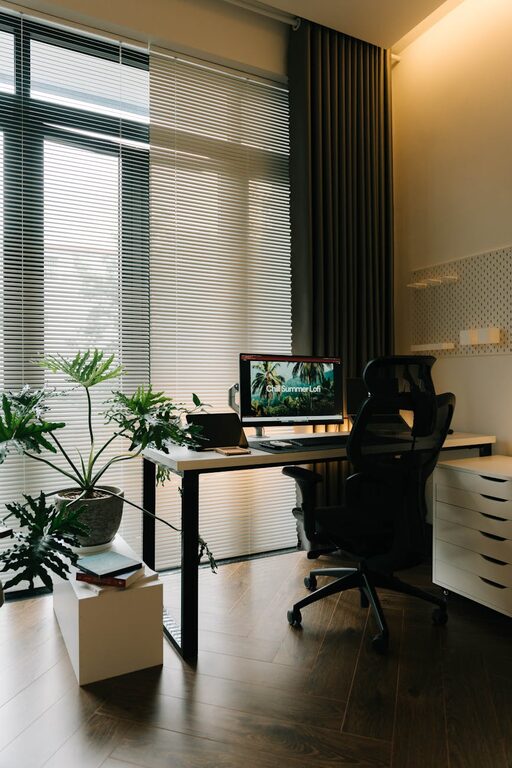
– Natural light: Position your desk near a window to benefit from daylight, which can improve mood and reduce eye strain.
– Space and layout: Ensure there is enough room to fit your desk, chair, and any other essential equipment comfortably.
If space is limited, consider using a foldaway desk or a partition to create a dedicated work nook.
Invest in Ergonomic Furniture
Comfort is key when spending long hours at your desk. Ergonomic furniture promotes better posture and reduces the risk of aches and pains.
– Ergonomic chair: Choose a chair with adjustable height, lumbar support, and comfortable padding.
– Desk height: Your desk should allow your forearms to be parallel to the floor when typing.
– Adjustable accessories: Consider a sit-stand desk or desk converters to vary your working position.
Don’t forget a footrest if your feet don’t comfortably reach the floor.
Organise Your Workspace Effectively
A cluttered workspace can hinder productivity. Maintaining an organised environment helps keep your focus.
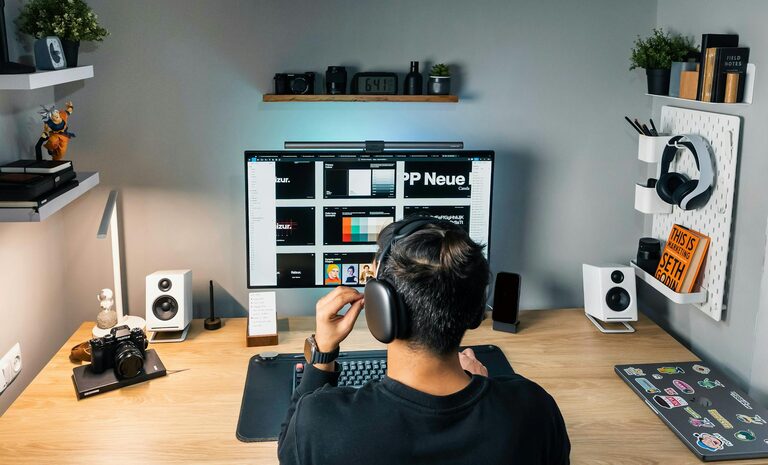
– Use storage solutions: Shelves, drawers, filing cabinets, and desk organisers can keep documents and office supplies tidy.
– Cable management: Use clips, sleeves or under-desk trays to prevent tangled cords.
– Minimalist approach: Keep only necessary items on your desk to avoid distractions.
Regularly declutter and clean the space to maintain order.
Create a Calming and Inspiring Environment
Your surroundings affect your mindset. Making your home office visually appealing encourages motivation and reduces stress.
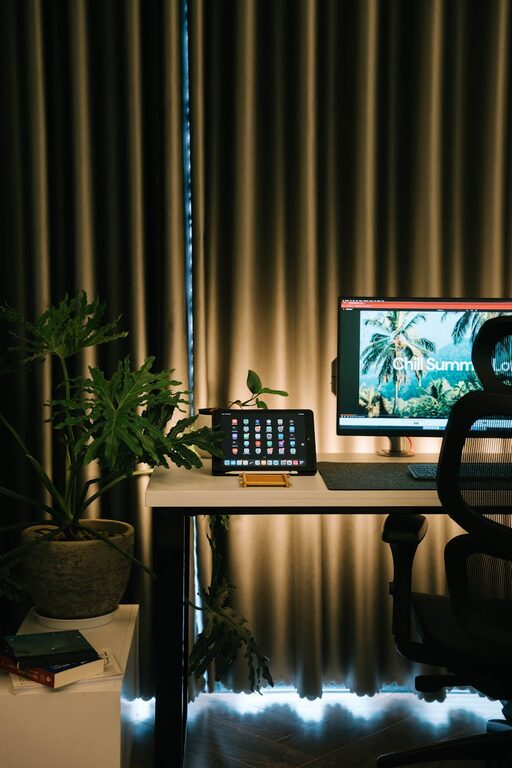
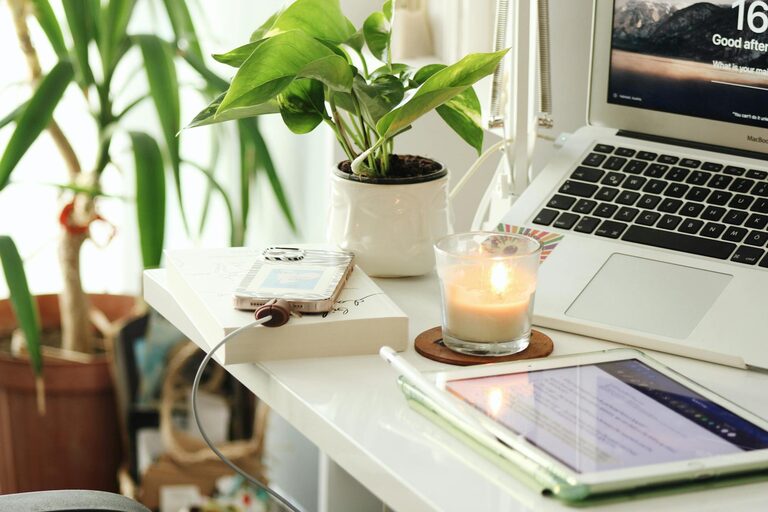
– Decorate with plants: Indoor plants not only brighten the space but can also improve air quality.
– Personal touches: Add photos, artwork or colourful accessories that make you feel comfortable.
– Colour scheme: Soft, neutral colours tend to promote calmness, while brighter colours like green or blue can stimulate creativity.
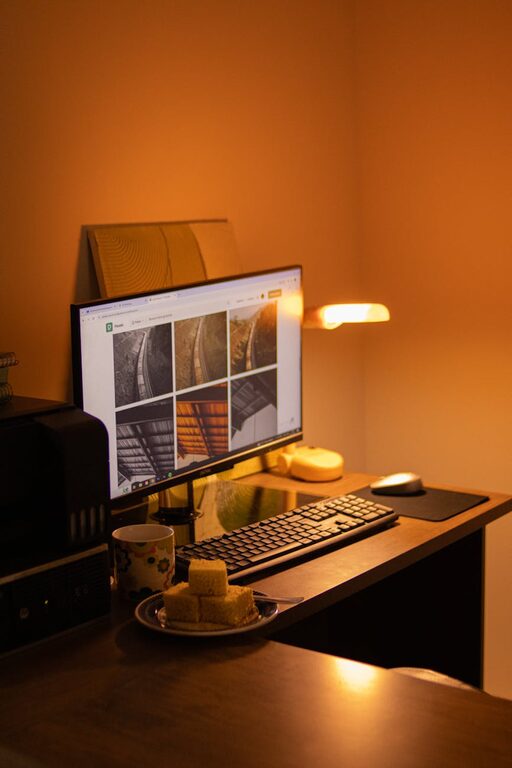
Good lighting is also important—combine natural light with adjustable desk lamps to avoid glare.
Establish Clear Boundaries
Working from home can blur the lines between personal and professional life. Setting boundaries helps maintain work-life balance.
– Defined working hours: Decide on your start and finish times and stick to them.
– Separate workwear: Changing into work clothes can create a mental shift into work mode.
– Dedicated workspace: Avoid working from your bed or sofa to ensure your office is associated with productivity.
Communicate your work schedule to family members to minimise interruptions.
Utilise Technology Smartly
The right technology can make your work easier and more efficient.
– Reliable internet connection: Invest in a good broadband package for video calls and online tasks.
– Quality peripherals: Use an external keyboard, mouse, and monitor for better ergonomics if working on a laptop.
– Organisational tools: Use apps for task management, scheduling, and collaboration to stay organised.
Regularly update your software and back up your data to prevent disruptions.
Prioritise Your Wellbeing
Taking care of your physical and mental health is essential for sustained productivity.
– Take breaks: Follow the 20-20-20 rule—every 20 minutes, look 20 feet away for 20 seconds—to reduce eye fatigue.
– Move regularly: Stand, stretch or walk around every hour.
– Stay hydrated and eat healthily: Keep water on your desk and plan nutritious meals and snacks.
Setting up a small relaxation corner or meditation spot nearby can also help you recharge.
Final Thoughts
Creating a comfortable and productive home office is a personalised process. Consider your specific needs, preferences, and work habits when designing your space. By investing in ergonomics, organisation, and ambience, you can create an environment that supports your professional goals and wellbeing. With the right setup, working from home can become a positive and rewarding experience.