



Tips for Creating a Productive Home Office Environment
Creating a productive home office environment is essential for anyone who works remotely or spends a significant amount of time at home handling professional tasks. A well-designed workspace can improve focus, reduce stress, and help you maintain a healthy work-life balance. Here are some practical tips to help you establish a home office that fosters productivity and comfort.
Choose the Right Location
Find a Dedicated Space
If possible, select a room or corner specifically for your work. A dedicated workspace helps to mentally separate work from personal life, encouraging concentration and signalling to others when you are working.
Consider Natural Light
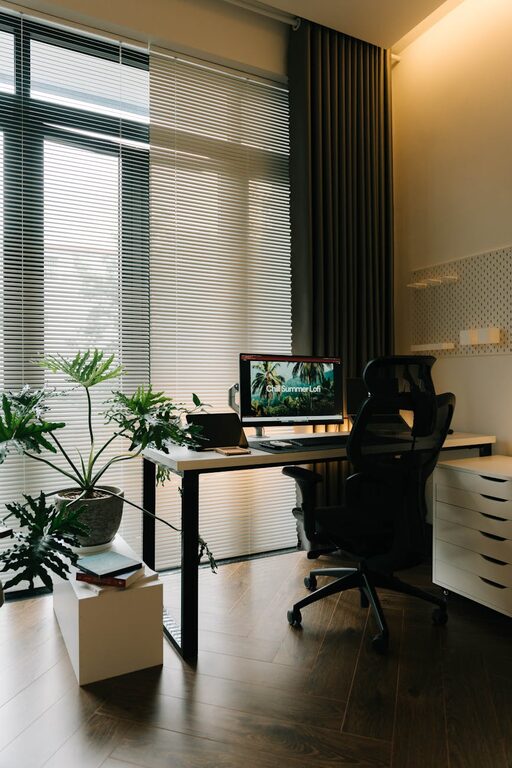
Position your desk near a window to take advantage of natural light. Good lighting reduces eye strain and can positively affect your mood and energy levels throughout the day.
Minimise Distractions
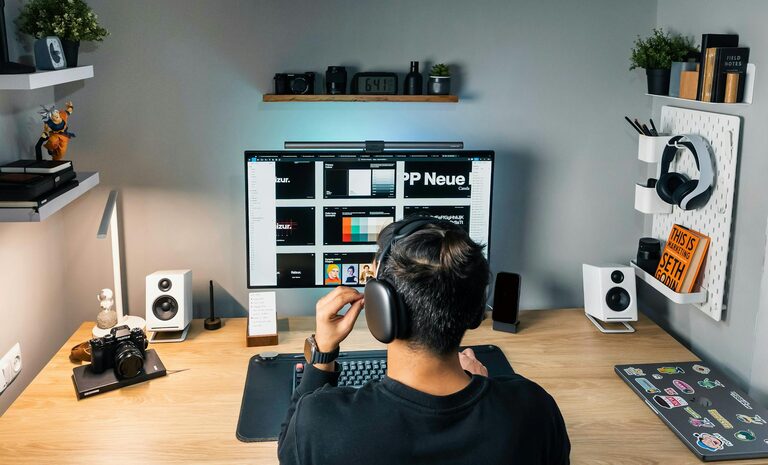
Try to avoid areas with a lot of background noise or high foot traffic. If this isn’t possible, consider noise-cancelling headphones or white noise machines to help maintain focus.
Ergonomic Furniture and Setup
Invest in a Comfortable Chair
A good office chair supports your posture, reducing the risk of back pain and discomfort. Look for adjustable features, including height, armrests, and lumbar support.
Use an Appropriate Desk
Choose a desk height that suits your body and allows you to work comfortably for extended periods. Standing desks or adjustable desks are also worth considering for variety.
Position Your Screen Properly
Your computer screen should be at eye level to avoid neck strain. Use a monitor stand or stack books to raise your screen if necessary.
Organise Your Workspace
Declutter Regularly
Keep your desk tidy by removing unnecessary items. A clean workspace can help reduce distractions and increase your efficiency.
Use Storage Solutions
Employ shelves, drawers, or desk organisers to keep supplies and documents in order. Clearly designated spaces for items make it easier to find what you need quickly.
Personalise with Care
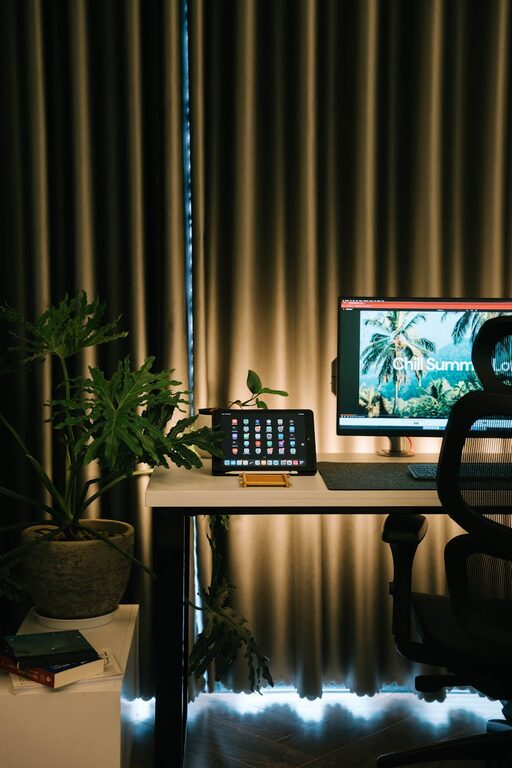
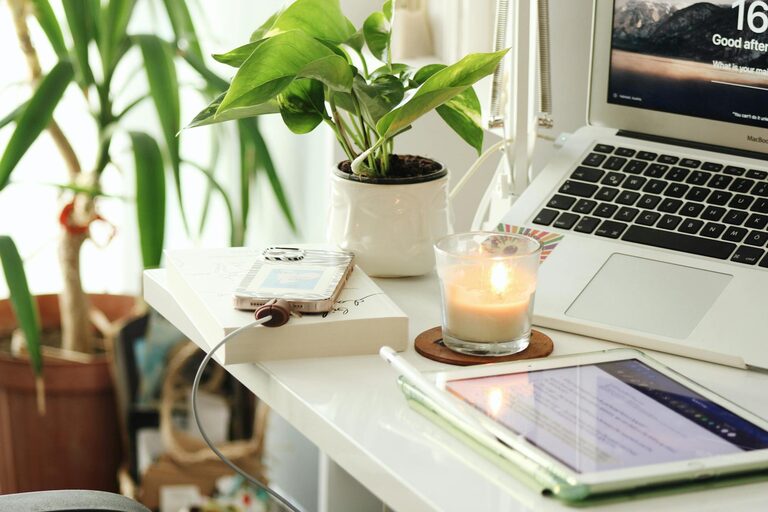
Add a few personal touches like plants or photos to make the space inviting, but avoid overcrowding. A balanced environment can improve your mood without becoming a distraction.
Optimise Lighting and Ambience
Combine Natural and Artificial Lighting
During darker hours, use task lighting such as desk lamps with adjustable brightness. Avoid harsh overhead lights that can cause glare or eye fatigue.
Control Temperature and Air Quality
Keep the room at a comfortable temperature and ensure proper ventilation. Fresh air can help keep you alert and comfortable over long working periods.
Minimise Screen Glare
Position your screen to reduce glare from windows or lights, or use anti-glare screen protectors to protect your eyes.
Develop a Routine and Boundaries
Set Regular Working Hours
Establish clear start and finish times for your working day to maintain a healthy work-life balance.
Take Regular Breaks
Incorporate short breaks to stretch and rest your eyes, which can improve your overall productivity.
Communicate Boundaries
If you share your home with others, let them know your work schedule and the importance of minimizing interruptions during these times.
Use Technology to Your Advantage
Use Organisational Tools
Apps for task management, calendars, and note-taking can help keep you organised and on track.
Ensure Reliable Internet and Equipment
A stable internet connection and efficient devices are crucial for smooth work operations.
Reduce Digital Distractions
Consider tools to block distracting websites or set specific times to check emails and messages.
Maintain Health and Wellbeing
Incorporate Movement
Stand up and stretch regularly or use a sit-stand desk to break up periods of sitting.
Stay Hydrated and Nourished
Keep water nearby and opt for healthy snacks to maintain energy levels.
Practice Mindfulness or Relaxation Techniques
Taking a few moments for deep breathing or mindfulness exercises can reduce stress and increase focus.
—
Creating a home office environment that supports productivity involves thoughtful planning and attention to your physical and mental needs. By organising your space with comfort and focus in mind, setting routines, and looking after your wellbeing, you can make your home workspace both effective and enjoyable.