

Tips for Creating a Relaxing Home Office Environment
Creating a relaxing home office environment is essential for maintaining focus, reducing stress, and enhancing overall well-being while working from home. With many people spending significant time at their desks, it’s important to design a space that not only supports productivity but also promotes calm and comfort. In this post, we share practical tips for transforming your home office into a peaceful and efficient workspace.
Why a Relaxing Home Office Matters
A comfortable and soothing work environment can improve concentration and creativity. When your workspace feels inviting and organised, it’s easier to stay motivated throughout the day. Conversely, a cluttered or noisy space can increase stress levels and make tasks feel more challenging.
Here are some key ways to create an inviting and relaxing home office.
Choose the Right Location
Pick a Quiet Spot
If possible, select a location away from high-traffic areas. A quiet corner of a room, a spare bedroom, or even a well-partitioned part of a living room can work well. Minimising distractions helps maintain focus and keeps your mind calm.
Consider Natural Light
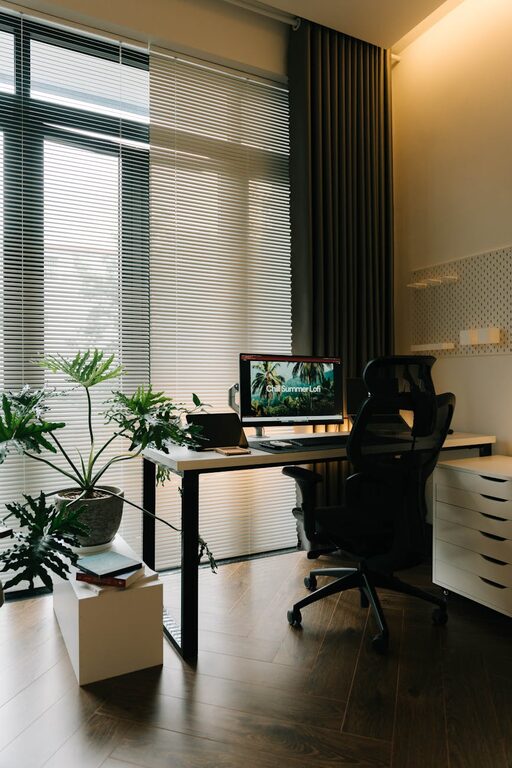
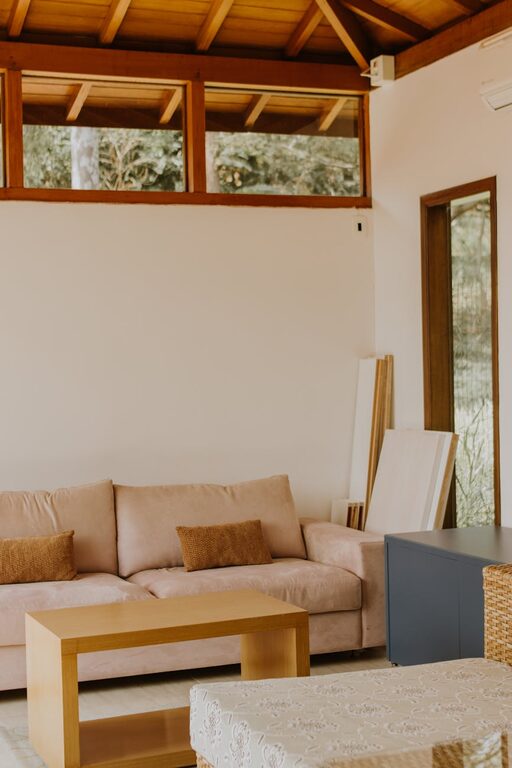
Light plays a crucial role in mood and productivity. Position your desk near a window to take advantage of natural daylight. Natural light helps regulate your body clock and can boost alertness.
Invest in Comfortable Furniture
Ergonomic Chair
Comfortable seating is vital. Invest in an ergonomic chair that supports your posture and prevents back strain. Adjustable armrests, lumbar support, and seat height can make a big difference, especially during long work sessions.
Suitable Desk
Choose a desk with enough surface area to organise your essentials without feeling cramped. Standing desks or adjustable desks can offer flexibility and encourage movement throughout the day.
Keep Your Space Clutter-Free
A tidy workspace creates a sense of order and calm. Here are some tips:
– Use storage solutions like shelves, drawers, or filing cabinets to keep papers and supplies organised.
– Limit knick-knacks on your desk to avoid visual distractions.
– Incorporate cable management to prevent tangled cords.
Regularly decluttering your workspace helps maintain a peaceful environment.
Add Soothing Decor Elements
Colours
Soft, neutral tones such as pale blues, greens, or greys create a calming backdrop for work. Avoid overly bright or harsh colours that might be distracting or stressful.
Plants
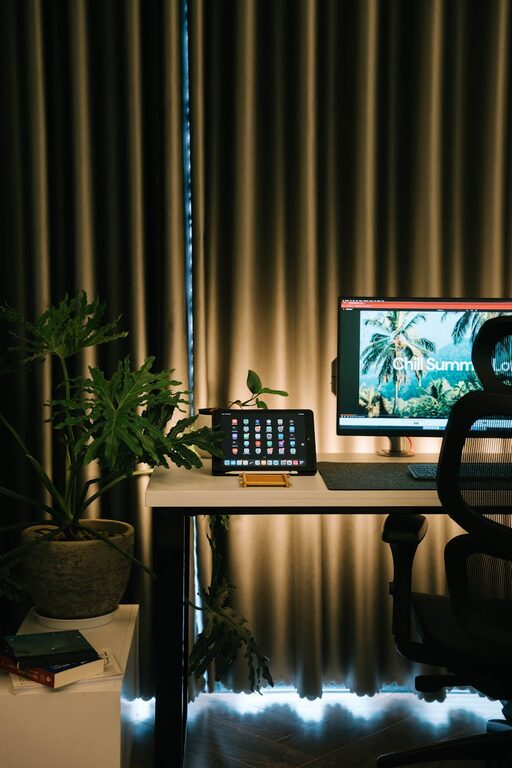
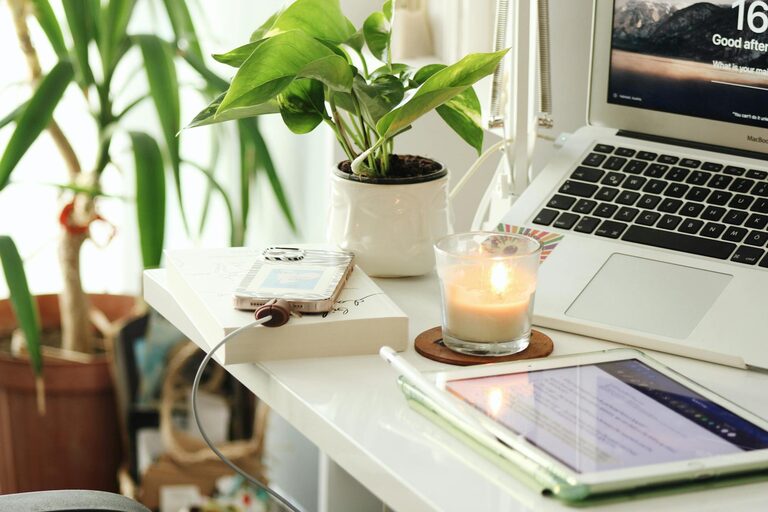
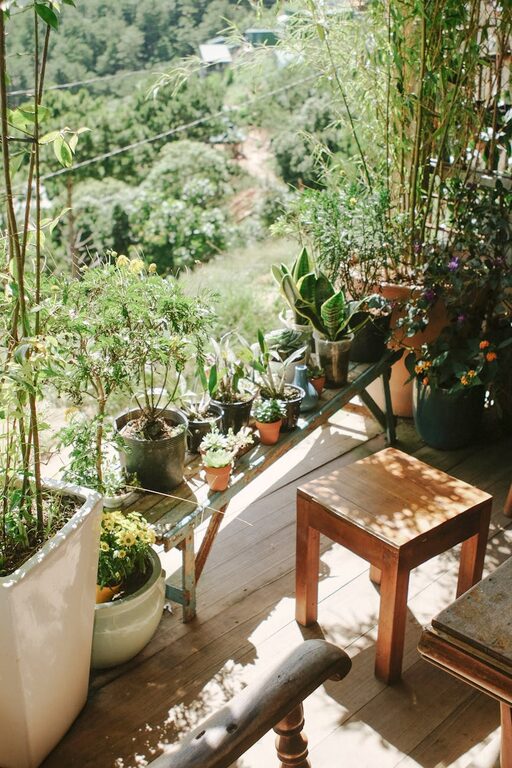
Houseplants not only enhance the aesthetic but also improve air quality and add a touch of nature. Easy-care plants like spider plants, snake plants, or pothos are ideal for a home office setting.
Artwork and Personal Touches
Including artwork or photos that inspire you can personalise your space. Choose images that evoke positive feelings or motivation without overwhelming the senses.
Manage Lighting Effectively
Artificial lighting should complement natural light and reduce eye strain:
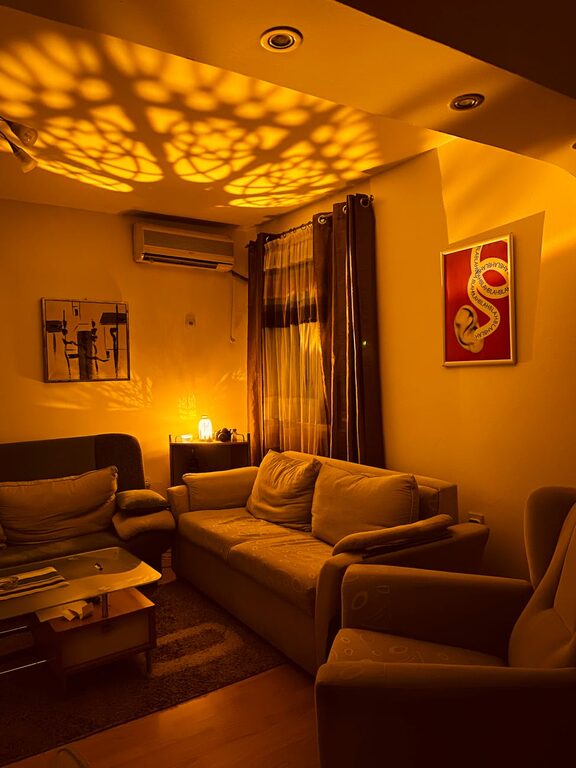
– Use adjustable desk lamps with warm light rather than harsh fluorescents.
– Consider smart bulbs that allow you to control brightness and colour temperature to suit different times of day.
Good lighting helps maintain alertness and reduces headaches or fatigue.
Minimise Noise Distractions
Noise can disrupt focus and increase stress. Here’s how to minimise it:
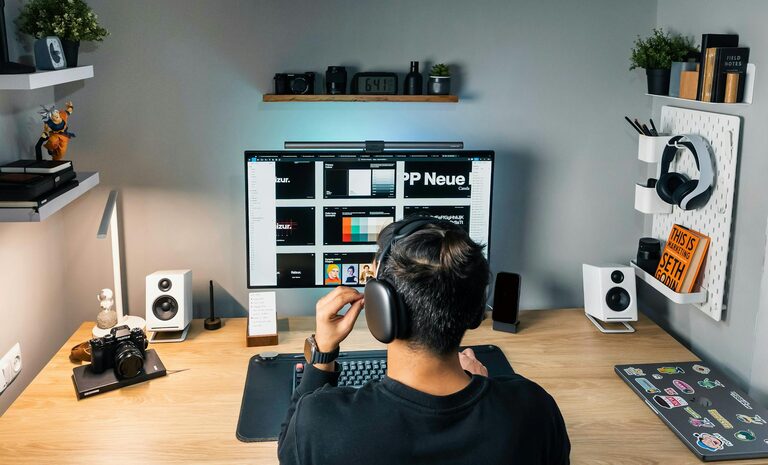
– Use noise-cancelling headphones if needed.
– Play calming background music or white noise to mask distracting sounds.
– Consider soft furnishings, like rugs or curtains, which absorb sound and reduce echo.
Incorporate Relaxation Breaks
Even the most serene environment can’t replace the need for breaks. Create a routine that includes short pauses to stretch, breathe deeply, or briefly step outside.
Keeping a small area with a comfortable chair or cushion can encourage mindful breaks during your workday, helping refresh your mind.
Optimise Technology Setup
Ensure your computer, keyboard, mouse, and other devices are arranged for comfort and efficiency:
– Position monitors at eye level to avoid neck strain.
– Use wireless devices to reduce cable clutter.
– Keep frequently used items within easy reach to reduce unnecessary movement.
A well-organised tech setup supports a smoother workday.
Maintain Proper Ventilation and Temperature
A stale or stuffy room can quickly become uncomfortable. Make sure your workspace is well ventilated. Opening a window or using a small fan can improve air circulation.
Temperature matters too—a room that’s too hot or too cold can be distracting. Aim for a comfortable temperature range, and layer clothing to adjust as needed throughout the day.
Conclusion
Creating a relaxing home office environment takes a little effort and thoughtful planning, but the benefits are well worth it. By choosing the right location, investing in comfortable furniture, keeping your space organised, and adding calming touches, you can build a workspace that helps you stay productive and relaxed.
Remember, your home office should serve both your professional needs and your well-being. With these tips, you’re on your way to a more enjoyable and effective work-from-home experience.